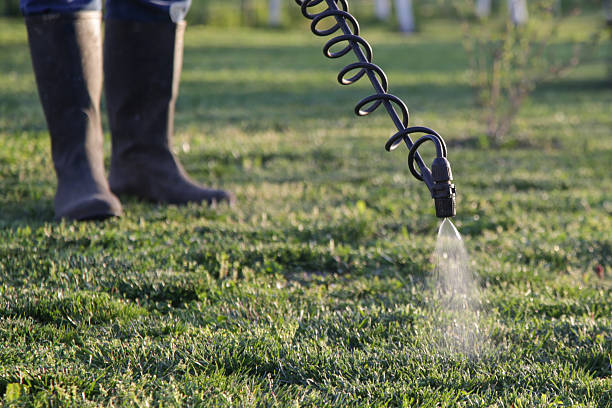
Maintaining a healthy lawn requires more than occasional care. A well-structured approach that combines lawn fertilizing and weed control helps create stronger, greener grass while preventing unwanted growth. Many homeowners focus on these elements separately, but a combined lawn treatment plan delivers better and more consistent results over time.
For homeowners exploring reliable solutions, a structured lawn weed control service can simplify ongoing lawn care through recurring plans available on trusted platforms.
A thriving lawn depends on balance. Grass needs nutrients to grow, while weed control ensures those nutrients are not taken away by invasive plants. When these processes work together, lawns become more resilient and visually appealing.
A combined lawn treatment plan integrates fertilization and weed control into a single, ongoing strategy. Instead of treating lawn issues separately, this approach focuses on consistent nourishment and prevention. Recurring services ensure that grass receives nutrients at the right time while weeds are controlled before they spread.
This method supports long-term lawn health and reduces the chances of recurring problems.
Managing fertilization and weed control independently often leads to inconsistent results. Fertilizing without weed control can encourage weed growth, while weed removal without proper nutrition weakens the grass. Without a structured plan, lawns may appear uneven, patchy, or unhealthy.
Fertilization plays a vital role in strengthening grass and improving its ability to withstand environmental stress.
Healthy lawns require essential nutrients such as nitrogen, phosphorus, and potassium. These nutrients support growth, root development, and overall resilience. Regular fertilization ensures that the soil remains fertile and capable of sustaining dense grass.
Fertilization promotes thicker grass coverage, which naturally reduces space for weeds to grow. Strong roots improve the lawn’s ability to absorb water and nutrients efficiently. Over time, consistent feeding results in a greener and more uniform appearance.
Incorrect timing and overuse of fertilizers can harm lawns. Applying too much fertilizer may lead to rapid growth that weakens grass structure. Skipping scheduled applications can result in nutrient deficiencies, making lawns more vulnerable to weeds.
Weed control is essential for maintaining a balanced lawn ecosystem. Without proper management, weeds compete aggressively with grass.
Weeds absorb nutrients, water, and sunlight that grass needs to grow. This competition weakens the lawn and creates uneven patches. Effective weed control ensures that resources are used by grass rather than invasive plants.
Different weeds affect lawns in various ways. Broadleaf weeds spread quickly and disrupt lawn appearance, while grassy weeds blend in but compete heavily for nutrients. Both types reduce lawn density and overall health.
Preventative weed control focuses on stopping weeds before they grow, while reactive methods target existing weeds. A combined approach ensures long-term results by addressing both current and potential issues.
Combining these two processes creates a balanced and efficient lawn care system. Instead of treating symptoms, this strategy addresses root causes.
Healthy grass forms a dense layer that limits space for weeds to grow. Proper fertilization strengthens this natural defense, reducing the need for excessive weed treatments.
Coordinating fertilization and weed control ensures that lawns receive nutrients at the right time while weeds are prevented from spreading. This timing improves effectiveness and reduces wasted effort.
For a deeper understanding of maintaining consistent lawn care routines, explore this guide: Learn more about lawn maintenance
Managing both processes together saves time and reduces the need for repeated treatments. Recurring plans offered through platforms like EZeels allow users to schedule services efficiently through trusted vendors.
A structured approach delivers visible and long-term improvements in lawn health.
Combined treatments promote thicker grass growth, resulting in a lush and even lawn. Dense grass enhances curb appeal and reduces bare patches.
Consistent fertilization and weed control minimize the chances of weed regrowth. Preventative care ensures that lawns remain healthy throughout the year.
Recurring lawn care plans reduce the need for constant monitoring and manual intervention. Users can easily book services through platforms like EZeels, where vendors handle ongoing maintenance.
Following best practices ensures that combined treatments deliver optimal results.
Different seasons require different care strategies. Spring focuses on growth and weed prevention, while summer requires maintenance and stress management. Fall preparation strengthens roots for the next season.
Selecting appropriate fertilizers and weed control methods is essential. Balanced products and proper application techniques improve effectiveness and reduce risks.
While some homeowners prefer DIY methods, recurring professional services provide consistency and expertise. Platforms that connect users with vendors make it easier to maintain regular schedules without gaps.
Recognizing early signs of lawn issues helps prevent long-term damage.
Uneven grass growth and visible weeds indicate an imbalance in lawn care. Combined treatments help restore uniformity.
Discolored grass and slow growth often point to nutrient deficiencies. Regular fertilization addresses these issues effectively.
Frequent weed growth suggests that preventative measures are missing. Integrating weed control with fertilization helps resolve this problem.
For homeowners in specific areas, exploring a reliable lawn weed control service allen tx can support consistent lawn care through recurring service plans.
Fertilizing and weed control are most effective when combined into a single, ongoing strategy. This approach ensures that lawns receive proper nutrition while preventing weed growth, leading to healthier and more resilient grass.
A structured lawn care plan reduces maintenance challenges and improves long-term results. By focusing on recurring services and consistent scheduling through a marketplace platform, homeowners can maintain a well-balanced lawn without unnecessary effort.
Combining these processes ensures that grass receives nutrients while weeds are prevented from competing for those nutrients, resulting in a healthier lawn.
These services are typically scheduled on a recurring basis throughout the year, depending on seasonal requirements and lawn conditions.
When applied correctly, weed control targets unwanted plants without harming grass. Proper timing and product selection are important.
Yes, most residential lawns benefit from a combined approach as it improves growth, prevents weeds, and maintains consistency.
Users can book recurring lawn care services directly through online platforms where vendors offer scheduled plans for ongoing maintenance.

 Login/Signup
