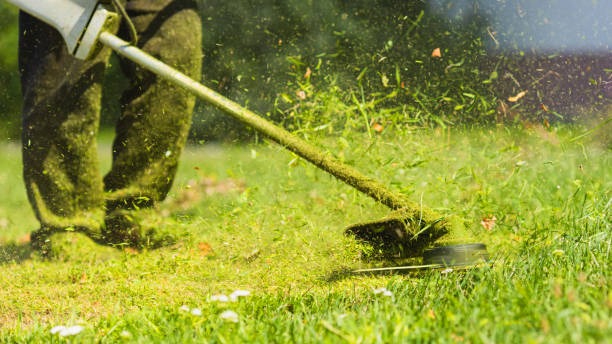
Maintaining a healthy and vibrant lawn requires consistency, planning, and the right approach to care throughout the year. Lawn care is not just about occasional mowing but involves a structured routine that supports grass growth, soil health, and overall appearance. A well-maintained lawn enhances the visual appeal of a home while also contributing to a cleaner and more balanced outdoor environment.
For homeowners looking to simplify ongoing upkeep, platforms like Recurring Home Services make it easier to connect with trusted vendors who offer regular lawn mowing, fertilizing, weed control, and other essential services.
Lawn care maintenance refers to the ongoing process of managing grass, soil, and surrounding elements to ensure healthy and consistent growth. It includes regular mowing, watering, fertilizing, and pest control practices that work together to maintain the lawn’s condition over time.
Consistent lawn care is important because grass requires continuous attention to stay strong and resilient. Without proper maintenance, lawns can develop uneven growth, weeds, and soil issues that affect overall health.
Another key aspect is the impact on appearance. A well-maintained lawn creates a clean and organized outdoor space. Regular care ensures uniform growth, proper color, and improved texture, making the lawn visually appealing throughout the year.
Before starting a lawn care routine, it is important to understand the type of grass and the environmental conditions that affect its growth. Different lawns require different approaches based on their characteristics and the climate in which they are located.
Grass types are generally categorized into warm-season and cool-season varieties. Warm-season grasses thrive in higher temperatures and require more care during summer months, while cool-season grasses grow best in moderate climates and need attention during spring and fall.
Each type has unique requirements for mowing height, watering frequency, and fertilization. Understanding these differences helps in creating a maintenance plan that supports healthy growth without over or under treatment.
Climate plays a significant role in lawn care maintenance. Seasonal changes affect how grass grows and how much care it requires. During warmer months, lawns may need more frequent watering and mowing, while cooler months focus on recovery and preparation.
Adjusting lawn care practices according to seasonal conditions ensures that the grass remains healthy and resilient throughout the year.
A successful lawn care routine includes several key tasks that must be performed regularly. Each task contributes to the overall health and appearance of the lawn.
Mowing is one of the most important aspects of lawn care maintenance. Proper mowing techniques help maintain grass height and encourage even growth. Cutting the grass too short can weaken it, while allowing it to grow too long can lead to uneven patches.
Maintaining the correct mowing height ensures that the grass retains moisture and develops strong roots. Regular mowing also prevents the spread of weeds and promotes a uniform appearance.
Watering plays a crucial role in maintaining a healthy lawn. Grass requires consistent moisture to grow properly, but overwatering can lead to root damage and fungal issues.
The goal is to provide enough water to reach the roots without saturating the soil. Deep and less frequent watering is generally more effective than shallow and frequent watering, as it encourages stronger root development.
Fertilization provides essential nutrients that support grass growth and soil health. Nutrients such as nitrogen, phosphorus, and potassium are necessary for maintaining a green and healthy lawn.
Regular fertilization helps improve soil quality and strengthens the grass against environmental stress. Lawn fertilizing and weed control are important components of a balanced maintenance routine.
Weeds and pests can quickly damage a lawn if not managed properly. Weed control prevents unwanted plants from competing with grass for nutrients and water. Pest control ensures that insects and other harmful elements do not affect growth.
Using consistent and preventive methods helps maintain the overall health of the lawn and reduces the need for corrective measures.
A structured lawn maintenance schedule ensures that all essential tasks are performed at the right time. Seasonal care helps the lawn adapt to changing conditions and maintain consistent growth.
In areas like Texas, where climate conditions can vary, following a localized approach such as lawn maintenance plano tx can help align services with regional requirements.
Spring is the time to prepare the lawn for active growth. This includes cleaning debris, applying fertilizers, and starting regular mowing. Early care sets the foundation for healthy growth throughout the year.
During summer, lawns require more attention due to higher temperatures. Watering becomes crucial, and mowing should be done carefully to avoid stress on the grass. Weed control is also important during this period.
Fall focuses on repairing any damage caused during summer. Fertilization and aeration help restore soil health and prepare the lawn for cooler months.
Winter is a period of reduced growth. Maintenance during this time involves protecting the lawn from harsh conditions and minimizing stress on the grass.
Avoiding common mistakes is essential for maintaining a healthy lawn. These errors can negatively impact growth and lead to long-term issues.
Overwatering or underwatering is one of the most frequent mistakes. Both can damage the root system and affect overall health. Maintaining a balanced watering schedule is key.
Incorrect mowing height can weaken the grass and make it more vulnerable to weeds and pests. Following proper mowing practices helps maintain strength and uniformity.
Ignoring soil health can lead to poor growth and nutrient deficiencies. Regular fertilization and proper care ensure that the soil supports healthy grass development.
While basic maintenance can be managed independently, there are situations where professional support becomes necessary. Recognizing these signs helps in maintaining consistent lawn quality.
When lawns show uneven growth, persistent weeds, or soil issues, it may indicate that advanced care is required. Managing a regular schedule can also become challenging without proper planning.
Platforms like EZeels provide access to vendors who specialize in recurring lawn care services. These service providers offer structured maintenance plans that include lawn mowing, fertilizing, and weed control, ensuring consistent results over time.
Another advantage is convenience. Users can directly book services through the platform and choose plans that match their needs. This approach simplifies lawn care while maintaining quality and reliability.
Lawn care maintenance is an ongoing process that requires attention, consistency, and the right set of practices. From understanding grass types to following a seasonal schedule, every step plays a role in maintaining a healthy and visually appealing lawn.
By focusing on essential tasks such as mowing, watering, fertilization, and weed control, homeowners can ensure long-term lawn health. Avoiding common mistakes and adapting to seasonal changes further improves results.
For those looking to simplify maintenance, EZeels offers a convenient way to connect with vendors who provide recurring lawn care services. This ensures that lawns receive consistent care without the need for constant manual effort.
For more information and to get started with ongoing lawn care services, explore and book the right solution based on your maintenance needs.
Lawn care maintenance should be performed regularly, with mowing, watering, and fertilization scheduled based on seasonal needs.
A seasonal schedule that includes spring preparation, summer care, fall recovery, and winter protection is considered effective.
Lawn mowing helps maintain proper grass height, promotes even growth, and prevents weeds from spreading.
Weed control involves regular maintenance, proper fertilization, and preventive care to stop unwanted growth.
Professional services are helpful when managing a consistent schedule becomes difficult or when lawns require specialized care.

 Login/Signup
