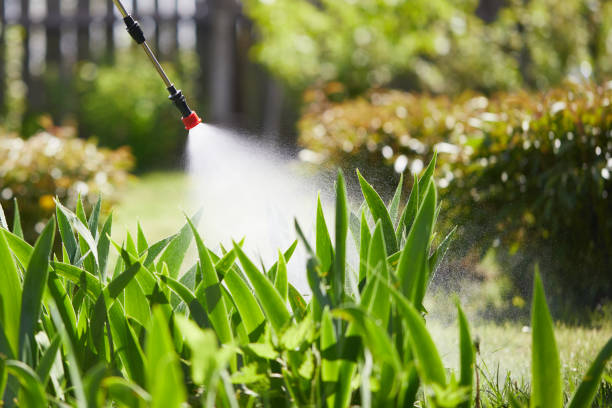
A healthy lawn requires more than occasional care. It depends on a consistent fertilization schedule that aligns with seasonal growth patterns and changing environmental conditions. Grass absorbs nutrients differently throughout the year, and without proper timing, even high-quality fertilizers may not deliver the desired results.
Seasonal changes influence how lawns grow, recover, and store nutrients. Spring encourages new growth, summer introduces stress, fall supports root development, and winter slows everything down. A structured fertilization plan ensures that grass receives the right nutrients at the right time, helping maintain a balanced and resilient lawn throughout the year.
For homeowners exploring reliable options, ongoing lawn fertilizing and weed control services can be scheduled through trusted vendors available on the platform, ensuring consistency and long-term lawn health.
A strong foundation in fertilization basics helps homeowners make informed decisions about maintaining their lawns. Proper fertilization not only improves appearance but also strengthens the soil and supports long-term growth.
Grass relies on essential nutrients such as nitrogen, phosphorus, and potassium to grow effectively. Over time, soil naturally loses these nutrients due to environmental factors and regular use. Fertilization replenishes these nutrients, ensuring that grass remains strong, green, and capable of resisting stress.
Healthy soil plays a crucial role in this process. When nutrients are balanced, the soil supports deeper root growth, better water retention, and improved resilience against weeds and environmental changes.
Understanding fertilizer types helps in choosing the right approach for different lawn conditions.
Organic fertilizers are derived from natural sources and improve soil structure over time. They release nutrients gradually and support long-term soil health.
Synthetic fertilizers provide faster results by delivering nutrients in a readily available form. They are often used when immediate improvement is needed.
Fertilizers are also categorized based on how nutrients are released. Slow-release fertilizers provide a steady supply of nutrients over an extended period, while quick-release fertilizers deliver immediate results but may require more frequent application.
Homeowners seeking structured and ongoing plans can explore options like lawn maintenance plano tx through vendors listed on the platform for consistent care.
A year-round fertilization schedule ensures that lawns receive the nutrients they need during each phase of growth. Each season plays a distinct role in maintaining lawn health.
Spring is the time when grass begins to recover from winter dormancy. Fertilization during this season supports new growth and helps the lawn regain its color and density.
Applying a balanced fertilizer in early spring encourages strong blade development. As the season progresses, a second application may be used to maintain consistent growth and prepare the lawn for increased activity.
Summer introduces heat and potential stress for lawns. Fertilization during this period should focus on maintaining health without overloading the grass.
Light applications of slow-release fertilizer help sustain color and strength while minimizing stress. Over-fertilizing during summer can lead to excessive growth, which may weaken the lawn under high temperatures.
Fall is one of the most important seasons for fertilization. During this time, grass shifts its focus from top growth to root development.
Applying fertilizer in early fall helps strengthen roots and prepare the lawn for colder months. A second application later in the season ensures that nutrients are stored effectively, supporting a healthier lawn in the following spring.
Winter is a dormant period for most lawns. Fertilization is generally minimal during this time, as grass growth slows significantly.
The focus during winter is on maintaining soil health and preparing for the upcoming growth cycle. Proper fall fertilization plays a key role in ensuring that the lawn remains strong during this period.
Different types of grass have unique growth patterns, which influence how and when they should be fertilized.
Cool-season grasses grow actively during spring and fall. These lawns benefit from fertilization during these peak growth periods, allowing them to develop strong roots and maintain consistent color.
Fertilization during summer should be limited, as high temperatures can stress these types of grass.
Warm-season grasses thrive during late spring and summer. Fertilization during these months supports active growth and helps maintain a dense and vibrant lawn.
Fall fertilization is still important for strengthening roots, while winter typically requires minimal nutrient application.
Fertilization alone is not enough to maintain a healthy lawn. Weed control must be integrated into the overall plan to ensure balanced growth.
Pre-emergent treatments are applied before weeds begin to grow. These treatments create a barrier that prevents weed seeds from developing, reducing competition for nutrients.
Applying pre-emergent solutions during early spring is essential for controlling seasonal weed growth.
Post-emergent treatments target weeds that have already appeared. These solutions help eliminate unwanted growth without harming the surrounding grass.
Combining fertilization with weed control ensures that grass receives the nutrients it needs while minimizing competition. Homeowners can explore recurring options such as lawn weed control service allen tx through vendors listed on the platform.
Even with a structured plan, certain mistakes can reduce the effectiveness of lawn fertilization.
Applying too much fertilizer can damage grass and lead to excessive growth. This weakens the lawn and increases its vulnerability to stress.
Fertilizing at the wrong time of year can limit nutrient absorption and reduce effectiveness. Seasonal timing is essential for achieving the best results.
Soil health plays a critical role in fertilization success. Without proper soil conditions, nutrients may not be absorbed efficiently, leading to uneven growth.
A consistent fertilization plan offers several long-term advantages that contribute to overall lawn health.
Regular nutrient application ensures that grass maintains its color, density, and overall appearance throughout the year.
A well-fed lawn is more resistant to weeds, as strong grass naturally limits the space available for unwanted growth.
Consistent fertilization improves soil quality over time, supporting better root development and water retention.
For a deeper understanding of how fertilization and weed control work together, explore this guide: Learn more about fertilizing and weed control
The best time depends on the type of grass and seasonal conditions. Spring and fall are generally the most important periods for fertilization.
Fertilization is typically scheduled multiple times a year based on seasonal needs. Recurring plans ensure consistent nutrient supply.
Yes, a healthy lawn supported by proper fertilization is more resistant to weed growth. Combining fertilization with weed control improves results.
The choice depends on lawn requirements. Organic fertilizers support long-term soil health, while synthetic options provide faster results.
Users can directly book recurring lawn care services through the platform, where vendors offer customized plans based on specific lawn needs.
A well-planned lawn fertilization schedule is essential for maintaining healthy grass throughout the year. By aligning nutrient application with seasonal growth patterns, homeowners can ensure consistent results and long-term lawn health. Integrating weed control further enhances the effectiveness of this approach, creating a balanced and resilient outdoor space.
EZeels provides a platform where users can connect with trusted vendors offering recurring lawn care services tailored to residential needs. With the right schedule and ongoing support, maintaining a healthy and vibrant lawn becomes a structured and achievable process.

 Login/Signup
