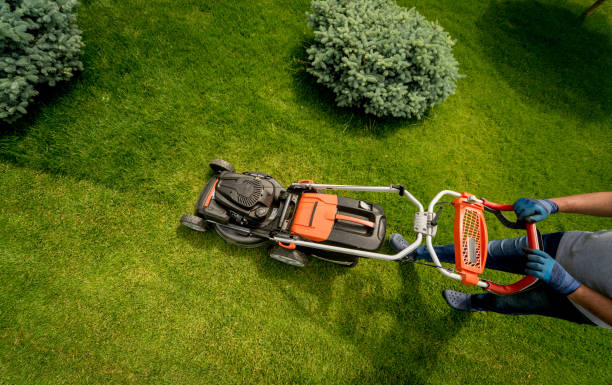
Maintaining a healthy-looking lawn requires a mowing routine that matches how quickly the grass grows and the conditions affecting it. Cutting grass too frequently can be unnecessary, while allowing it to become excessively long can make routine maintenance more difficult. For homeowners who want a more predictable approach, recurring grass cutting plans can provide a structured schedule, while flexible scheduling can allow mowing frequency to change as lawn conditions change.
The right approach depends on grass type, season, weather, lawn size, growth rate, watering habits, and the level of maintenance a homeowner wants to maintain. Homeowners looking for lawn mowing Plano Texas can also consider recurring residential lawn mowing options available through an online marketplace, where services are provided by vendors and users book directly through the platform.
A recurring grass cutting plan is an ongoing lawn mowing arrangement where mowing is scheduled at a regular frequency. Instead of having to organize each mowing appointment separately, homeowners can establish a recurring schedule that is intended to keep the lawn maintained throughout the appropriate periods of the year.
Scheduled mowing can make lawn maintenance more predictable because homeowners know when recurring service is expected. It can also help reduce the possibility of allowing grass to become excessively overgrown between mowing visits.
The frequency of recurring mowing should still reflect actual lawn conditions. A schedule that works during periods of faster growth may not be appropriate when grass growth slows. This is why homeowners should consider whether a recurring plan allows appropriate adjustments when seasonal and weather conditions change.
There is no single mowing frequency that works for every residential lawn. Grass growth changes throughout the year, and mowing requirements can vary depending on the type of grass, weather, watering, lawn condition, and seasonal growth patterns.
Grass type is an important factor because different varieties can have different growth patterns. The season also affects how quickly grass grows. Warmer periods may encourage more active growth, while cooler conditions can reduce the need for frequent mowing.
Weather and rainfall can also influence mowing frequency. Adequate moisture combined with suitable temperatures may encourage faster growth, while dry or cooler conditions can change how quickly the lawn develops. Irrigation and watering habits may also affect growth, particularly when watering contributes to more consistent moisture.
The overall condition and size of the lawn should also be considered. A larger lawn may require more planning, while areas with faster-growing grass may need more frequent attention than areas experiencing slower growth.
Weekly mowing may be appropriate during periods when grass is growing consistently and requires regular maintenance to maintain a desired appearance. A predictable weekly schedule can make it easier to keep mowing from being postponed during periods of active growth.
However, weekly mowing should not automatically be treated as necessary throughout the entire year. The appropriate schedule should reflect the lawn's actual growth and seasonal conditions.
Less frequent mowing may be suitable during periods when grass growth slows. Cooler weather, reduced rainfall, or changes in lawn conditions can affect how quickly grass grows.
A flexible schedule can be useful in these circumstances because the frequency can potentially be adjusted according to changing conditions rather than maintaining the same frequency throughout every season.
Weekly lawn mowing plans focus on maintaining a consistent recurring schedule. They are particularly useful for homeowners who prefer predictable lawn maintenance and want mowing to remain part of an established household routine.
The exact services included in a recurring mowing schedule depend on the service options offered by the vendor. Homeowners should confirm what is included before booking and determine whether the schedule matches their expectations.
Questions about mowing frequency, edging, weather-related changes, and schedule adjustments can help homeowners understand how a recurring plan works before establishing an ongoing arrangement.
Consistent mowing can make lawn maintenance more predictable. When mowing follows a regular schedule, homeowners can plan around recurring maintenance rather than having to continually determine when the lawn needs attention.
A consistent schedule can also support a more uniform lawn appearance. During periods of active growth, regular mowing can reduce the likelihood of grass becoming excessively overgrown and can make household lawn maintenance easier to organize.
For homeowners managing several household responsibilities, predictable recurring maintenance can reduce the amount of planning required for lawn care.
A fixed weekly schedule may not always match changing lawn conditions. Weather can interfere with planned mowing, while seasonal differences can change how quickly grass grows.
There may also be periods when weekly mowing is less necessary because grass growth has slowed. For this reason, homeowners should understand whether a recurring schedule can be adjusted when conditions change.
Flexible lawn mowing scheduling allows mowing frequency to change according to lawn conditions rather than following exactly the same interval throughout the year. This approach can be useful for homeowners who want their mowing routine to respond to seasonal growth and changing weather.
With flexible scheduling, homeowners can consider the current condition of the lawn when determining when mowing should occur. Faster growth may require more frequent maintenance, while slower growth may allow longer intervals between mowing.
The exact flexibility available depends on the vendor and the recurring service arrangement. Homeowners should clarify how schedule changes, pauses, and weather-related adjustments are handled before booking.
Flexible mowing may make sense for homeowners whose lawns experience significant changes in growth throughout the year. It can also be useful when weather conditions make a fixed schedule less practical.
Homeowners who prefer to adjust mowing according to actual lawn conditions may find flexible scheduling more suitable than maintaining the same frequency regardless of seasonal changes.
Mowing frequency can change because of grass type, temperature, rainfall, irrigation, seasonal growth, and overall lawn condition. Changes in household requirements can also affect how homeowners prefer to organize recurring maintenance.
A practical mowing schedule should therefore allow homeowners to consider both the condition of the lawn and their preferred level of maintenance.
Seasonal changes can have a significant effect on mowing frequency. A schedule that is appropriate during one period of the year may need to change when temperatures and growth conditions shift.
Spring can bring increased grass growth as temperatures and moisture conditions become more favorable. Homeowners may find that their lawns require more regular attention during periods of active growth.
A recurring mowing plan can help establish a predictable routine during this period, provided the frequency is appropriate for the specific lawn.
Summer mowing requirements depend on temperature, rainfall, grass type, irrigation, and local growing conditions. Some lawns may continue growing actively, while others may experience slower growth during particularly dry conditions.
Homeowners should consider lawn condition rather than assuming that the same mowing frequency should apply throughout summer.
Autumn can bring changing temperatures and growth patterns. As growth begins to slow in many conditions, mowing frequency may need to be adjusted.
A flexible approach can make these seasonal changes easier to accommodate, while a recurring plan may need appropriate schedule adjustments.
Winter mowing requirements can vary significantly depending on local conditions and grass type. When growth slows considerably, frequent mowing may be less necessary.
Homeowners should consider the condition of the lawn and the recommendations appropriate for the grass type and local climate when determining whether ongoing mowing should continue at the same frequency.
For homeowners who want to understand how mowing frequency can change during the year, this guide to scheduling lawn mowing provides additional information.
Choosing a recurring mowing schedule should begin with an understanding of the lawn itself. Several factors can help homeowners determine which approach is more practical.
The size of the lawn can affect the amount of maintenance required and how homeowners organize their recurring schedule. Larger residential lawns may require more planning to maintain consistently.
Different grass types can have different growth patterns. Understanding how quickly the lawn typically grows can help homeowners determine whether weekly mowing or a more flexible approach is appropriate.
Seasonal temperature, rainfall, and other weather conditions can affect growth. A plan that can accommodate seasonal changes may be useful when mowing requirements vary throughout the year.
Homeowners who prefer a consistently maintained appearance may favor a predictable mowing schedule during periods of active growth. Those who prefer maintenance based more closely on actual growth may prefer greater flexibility.
Personal schedules also matter. A recurring plan can reduce the need to continually organize lawn maintenance, while a flexible approach may require more active scheduling. Homeowners should choose an arrangement that fits their household routine.
Recurring lawn mowing plans can be worth considering for homeowners who want predictable maintenance and a more organized approach to lawn care. Establishing an ongoing schedule can reduce the need to repeatedly plan when mowing should occur and can help make lawn maintenance part of a regular household routine.
Consistent mowing can also simplify maintenance during periods of active grass growth. However, recurring does not necessarily mean that the exact same frequency should apply all year. Lawn conditions can change, so homeowners should consider whether the available recurring plan allows appropriate adjustments.
The value of a recurring plan ultimately depends on convenience, lawn requirements, seasonal conditions, and the scheduling options offered by the vendor.
Before choosing a recurring lawn mowing arrangement, homeowners should understand how the schedule operates and what adjustments are available.
Homeowners should ask whether the recurring mowing frequency can be changed as grass growth and seasonal conditions change. This can be particularly important when a lawn requires more frequent mowing during active growth and less frequent maintenance during slower periods.
Weather can affect outdoor lawn maintenance. Homeowners should ask how the vendor handles weather-related changes and whether the mowing schedule is adjusted when conditions make the planned service impractical.
Edging may or may not be included depending on the service arrangement. Homeowners should confirm which lawn maintenance tasks are included before booking a recurring plan.
Schedule flexibility can be important when household needs or seasonal conditions change. Homeowners should ask how recurring schedules can be modified, paused, or adjusted and whether any specific conditions apply.
For homeowners researching recurring lawn care in a specific area, this guide to lawn mowing in McKinney, TX offers additional information about maintaining a reliable recurring mowing routine.
Weekly mowing may be appropriate during periods of active grass growth, but it is not necessarily required throughout the entire year. Grass type, weather, season, watering, and growth rate should all be considered when determining mowing frequency.
Grass should be cut according to its growth rate and local conditions rather than following one universal schedule. Some lawns may benefit from weekly mowing during active growth, while slower growth periods may require less frequent maintenance.
A recurring plan can provide greater predictability and reduce the need to organize lawn maintenance repeatedly. Whether it is better depends on the homeowner's preferences, lawn conditions, and the flexibility available through the service provider.
Yes, mowing requirements can change throughout the year as temperatures, rainfall, grass growth, watering, and seasonal conditions change. A recurring plan should ideally accommodate reasonable adjustments when lawn conditions change.
Homeowners should consider the vendor's available scheduling options, mowing frequency, weather policies, included services, seasonal flexibility, and the ability to adjust or pause a recurring arrangement. The service should also fit the lawn's size, growth pattern, and household requirements.
EZeels is an online marketplace where users can directly book residential services from vendors through the platform. In addition to recurring lawn mowing, the platform includes residential services such as lawn fertilizing and weed control, swimming pool maintenance, carpet cleaning, and HVAC services.
Choosing between weekly lawn mowing plans and flexible scheduling depends on how quickly the grass grows, how conditions change throughout the year, and how much predictability a homeowner wants from their lawn maintenance routine. A weekly plan can provide consistency during periods of active growth, while flexible scheduling can accommodate changes in seasonal conditions and mowing requirements.
The most suitable recurring grass cutting plans should reflect the lawn rather than rely on a fixed frequency without considering growth conditions. Grass type, weather, watering, lawn size, seasonal changes, and desired appearance can all influence the appropriate mowing schedule.
For homeowners who prefer predictable residential lawn maintenance, recurring scheduling can make ongoing care easier to organize. Users can directly book recurring services from vendors through an online marketplace and choose an arrangement that fits their household needs and preferred approach to lawn maintenance.

 Login/Signup
