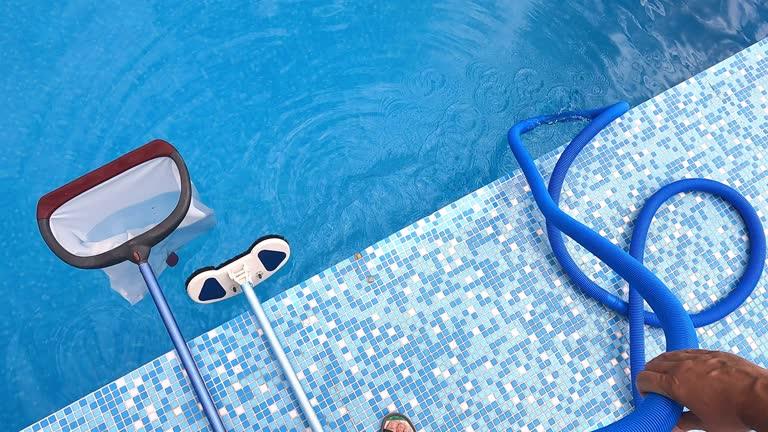
A swimming pool requires consistent care to remain clean, clear and properly maintained throughout the year. Regular pool maintenance helps manage water quality, reduce debris build-up and keep essential pool equipment functioning as expected. Without a suitable maintenance routine, changes in water chemistry, filtration problems and surface deposits can become more difficult to manage.
For homeowners, following a monthly pool maintenance schedule can make recurring pool care easier to organise. It provides an opportunity to review important pool conditions, identify developing maintenance concerns and ensure that essential cleaning tasks receive attention. However, the maintenance requirements of each pool can vary depending on its size, usage, surrounding environment and weather conditions.
Homeowners looking for pool maintenance plano tx can explore available residential maintenance options and recurring services through the EZeels platform. Understanding what monthly pool maintenance involves can help you make informed decisions about the care your swimming pool needs.
Regular pool maintenance is essential for managing water quality, maintaining clean surfaces and supporting the performance of pool equipment. A consistent routine helps homeowners monitor changes and address maintenance requirements before they become more complicated.
Water quality is one of the most important aspects of residential pool maintenance. Pool water needs appropriate chemical balance to remain suitable for swimming and to support the proper functioning of the pool system. Changes in pH, chlorine levels and other water chemistry measurements can affect water clarity and overall pool conditions.
Regular testing helps identify imbalances that may require attention. Maintaining suitable chemical levels also supports effective sanitisation and helps manage unwanted contaminants. Water testing and any necessary adjustments should be based on the pool's actual condition and appropriate testing guidance.
Leaves, insects, dust and other outdoor debris can collect in swimming pools over time. If these materials are not removed regularly, they may affect water appearance and contribute to additional cleaning requirements.
Pool walls, floors, steps and waterline areas also need attention to manage dirt and deposits. Maintaining the surrounding pool area is equally important because debris can enter the water and increase cleaning demands. Consistent cleaning helps maintain the overall appearance and condition of the pool.
Pool pumps, filters and skimmer baskets play important roles in maintaining water circulation and cleanliness. These components help move water through the filtration system and capture unwanted debris.
Regular inspection and cleaning can help identify blockages, unusual noises, leaks or changes in water flow. Paying attention to equipment condition allows homeowners to recognise potential maintenance concerns and arrange appropriate attention when required.
A monthly maintenance plan should cover the main areas of pool care, including water chemistry, surface cleaning, filtration and equipment inspection. The exact tasks may vary according to the pool's condition and maintenance requirements.
Water chemistry should be reviewed regularly as part of a suitable maintenance routine. Important measurements include pH and chlorine levels, along with other relevant water chemistry indicators based on the pool's sanitisation system.
Testing helps determine whether the water remains within the recommended ranges. Chemical adjustments should never be based on guesswork. They should follow appropriate testing results and product instructions. Regular monitoring can help identify changes that may affect water clarity and sanitisation.
Skimming involves removing visible debris from the water surface. Leaves, insects and other floating materials can collect throughout the week, particularly when a pool is exposed to wind and surrounding vegetation.
Removing debris regularly helps prevent it from sinking and collecting on the pool floor. It also reduces the amount of unwanted material entering the filtration system. Skimming should be included in routine pool care rather than being limited to the monthly maintenance visit.
Brushing and vacuuming help manage dirt and deposits that collect on pool surfaces. Walls, floors, steps and corners can accumulate material that ordinary filtration may not remove.
Brushing loosens dirt and surface build-up, while vacuuming helps remove settled debris from the pool floor. The appropriate cleaning method depends on the pool surface and equipment. Regular attention helps maintain a cleaner swimming environment and reduces the likelihood of persistent deposits.
Filters remove suspended particles as water circulates through the pool system. Skimmer baskets capture larger debris before it reaches the pump and filtration components.
Both should be checked and cleaned as needed. Blocked baskets and dirty filters can restrict water flow and affect filtration performance. Filter cleaning requirements depend on the filter type, usage and manufacturer's instructions, so homeowners should follow the recommended maintenance schedule.
The pump and circulation system should be checked to ensure that water is moving through the pool as expected. Pay attention to unusual sounds, visible leaks, reduced water flow and other changes in equipment operation.
Pool equipment should also be inspected according to manufacturer recommendations. Any signs of damage or electrical concerns should be assessed by an appropriately qualified professional rather than handled without the necessary expertise.
A structured checklist can help homeowners keep track of important maintenance tasks and identify areas that need additional attention. The following checks can be included in a monthly review, alongside more frequent routine cleaning.
Review the appearance of the water and test its chemical balance using suitable testing methods. Check pH and sanitiser levels, and investigate unusual changes rather than relying only on visual appearance.
Look for visible dirt, deposits, stains or unusual surface changes around the pool. Pay attention to corners, steps and the waterline, where material can gradually collect.
Check whether the filtration system is operating as expected. Inspect baskets, review water flow and look for signs of blockages or unusual equipment performance.
Remove excessive debris from the surrounding area and keep the pool environment tidy. Review nearby plants and other sources of outdoor material that may enter the water.
For a more detailed routine, follow this weekly pool maintenance checklist to understand which tasks need attention between scheduled maintenance visits.
Not every residential swimming pool requires the same maintenance schedule. Several factors influence how frequently cleaning, testing and equipment checks should take place.
Frequent swimming can increase the amount of material introduced into the water. Body oils, sunscreen, dirt and other contaminants may affect water quality and increase sanitisation requirements. Pools with higher usage may need more frequent testing and cleaning.
Weather conditions can influence pool maintenance requirements throughout the year. High temperatures can affect water chemistry and evaporation, while rainfall may introduce additional contaminants. Wind can carry leaves, dust and other debris into the pool.
Seasonal changes should therefore be considered when organising recurring pool care. Maintenance frequency may need to be adjusted according to changing conditions.
Pool dimensions and design influence water volume, circulation and cleaning requirements. Larger pools may require different maintenance considerations from smaller residential pools. Surface materials, filtration systems and sanitisation methods can also affect the appropriate maintenance routine.
Trees, shrubs and surrounding vegetation can increase the amount of leaves, pollen and other organic material entering a pool. Pools located near landscaped outdoor areas may need more frequent skimming and basket cleaning to manage debris effectively.
Recognising changes in pool conditions is an important part of maintaining a residential swimming pool. Some issues may indicate that routine maintenance needs adjustment or that equipment requires further inspection.
Cloudy or discoloured water may indicate chemical imbalance, inadequate filtration or the presence of contaminants. Water clarity should be investigated alongside chemical testing and equipment checks. Avoid assuming that clear-looking water is automatically balanced and properly sanitised.
Algae can develop when pool conditions are not adequately maintained. Unwanted growth may appear on walls, floors and other surfaces. Regular brushing, suitable sanitisation and appropriate water circulation help manage the conditions associated with algae growth.
Reduced circulation may result from blocked baskets, dirty filters or pump-related concerns. Poor water movement can affect filtration and make it harder to maintain consistent pool conditions. The cause should be identified before deciding on the appropriate maintenance action.
Changes in pump sounds, water pressure, filtration or circulation should not be ignored. These signs may indicate that equipment needs cleaning, inspection or repair. Arranging appropriate professional attention can help prevent further operational problems.
Monthly pool maintenance provides a useful structure for reviewing the overall condition of a residential swimming pool. However, it should not be considered a replacement for more frequent cleaning, water testing and equipment monitoring.
Some tasks, including skimming, water testing and checking visible debris, may need attention several times a week depending on pool conditions. Other tasks, such as more detailed equipment inspections, may follow a different schedule based on the system and manufacturer's recommendations.
Homeowners should consider their pool's requirements before deciding whether monthly visits are sufficient. Reviewing the available recurring service details with individual vendors can help establish an appropriate maintenance frequency. A suitable plan should account for pool usage, water conditions and the cleaning tasks included in each scheduled visit.
Arranging recurring pool maintenance starts with understanding the cleaning and upkeep requirements of your swimming pool. Consider its size, usage, current condition, filtration system and the amount of outdoor debris it receives. These details can help you determine which maintenance tasks need regular attention.
When comparing available services, review the vendor's service description, included maintenance activities and proposed visit frequency. It is also important to understand which tasks are covered by the selected recurring plan and whether additional maintenance may be required when pool conditions change.
EZeels is an online marketplace that connects homeowners with vendors offering residential services, including recurring swimming pool maintenance. Users can explore available service options and directly book through the platform. Services are provided by independent vendors, allowing homeowners to review the available offerings and select an option that suits their requirements.
The platform also supports other residential services, including lawn mowing, lawn fertilizing and weed control, carpet cleaning and HVAC services. This provides homeowners with a convenient way to explore different recurring home maintenance options through one online marketplace.
Homeowners in Allen, TX, can also explore why recurring pool maintenance is essential and understand the importance of maintaining a consistent pool care routine.
Monthly pool maintenance generally includes reviewing water chemistry, removing debris, brushing and vacuuming surfaces, checking filtration components and inspecting pool equipment. The exact tasks depend on the pool's condition, size, equipment and selected maintenance plan.
Monthly maintenance may be suitable for certain scheduled inspection and cleaning requirements, but it is not always enough on its own. Water testing, skimming and debris removal may need to happen more frequently depending on pool usage, weather and surrounding conditions.
Filter cleaning frequency depends on the filter type, pool usage, water conditions and manufacturer's recommendations. Homeowners should monitor filter performance and clean the system according to its maintenance instructions rather than following a fixed schedule for every pool.
Homeowners should monitor water clarity, pH, chlorine or other sanitiser levels, and additional chemistry measurements relevant to their pool system. Regular testing helps identify imbalances and determine whether adjustments are needed to maintain appropriate water conditions.
Yes. Maintenance requirements can change with temperature, rainfall, wind, pool usage and seasonal debris. Homeowners may need more frequent cleaning and water testing during periods when environmental conditions place additional demands on the pool.
A consistent monthly pool maintenance routine helps homeowners monitor water quality, maintain clean surfaces and keep essential equipment in suitable working condition. Regular attention to chemical balance, filtration, debris removal and equipment performance can help identify developing concerns and support effective pool upkeep.
However, monthly maintenance should form part of a wider recurring care routine rather than replace more frequent pool cleaning and water testing. The right schedule depends on pool size, usage, weather and surrounding conditions.
Choosing a suitable recurring maintenance plan can make pool care easier to organise throughout the year. Through EZeels, homeowners can explore residential swimming pool maintenance options, compare vendor service details and directly book recurring services through the platform.

 Login/Signup
