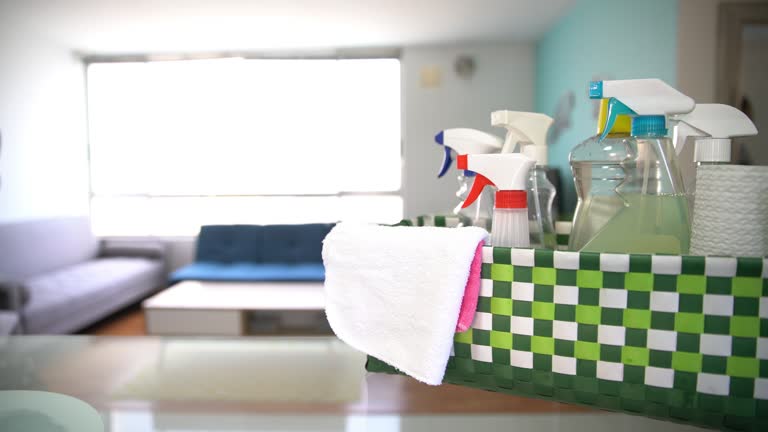
Keeping a home consistently clean requires more than handling visible messes as they appear. Daily and weekly cleaning routines take care of frequently used areas, while monthly cleaning allows homeowners to give additional attention to surfaces, corners, fixtures, and spaces that are easy to overlook. A monthly home cleaning checklist can make these less frequent tasks easier to organize and repeat throughout the year. For homeowners who want ongoing support with household cleaning, a recurring house cleaning service can also become part of a structured home maintenance routine.
A monthly routine can cover kitchens, bathrooms, bedrooms, living areas, laundry spaces, and other parts of the home that need detailed attention. It can also help homeowners maintain a predictable schedule instead of allowing deeper cleaning tasks to accumulate. The key is to create a routine that is practical, consistent, and suited to the specific needs of the household.
Daily, weekly, and monthly cleaning serve different purposes. Daily cleaning usually focuses on immediate household needs, such as managing clutter, wiping frequently used surfaces, handling spills, and keeping commonly used areas presentable. Weekly cleaning generally involves more regular tasks such as cleaning floors, bathrooms, kitchens, and frequently used furniture surfaces.
Monthly cleaning provides an opportunity to address areas that do not necessarily require attention every week. These can include baseboards, ceiling fans, light fixtures, window tracks, vents, cabinet fronts, and areas beneath accessible furniture. Having these tasks written into a recurring routine makes it easier to remember them and maintain consistency.
A monthly checklist can also help prevent cleaning responsibilities from becoming overwhelming. Instead of waiting until several tasks have accumulated, homeowners can divide them throughout the month and give each area appropriate attention. The routine can then be adjusted according to the size of the home, household activity, and specific cleaning requirements.
A useful monthly cleaning routine should cover both visible living spaces and areas that receive less frequent attention. The goal is not simply to clean more often, but to create a structured schedule that supports consistent household maintenance.
High-traffic areas can experience more frequent exposure to dust, dirt, and everyday debris. Monthly cleaning can provide additional attention to floors, corners, baseboards, entryways, and frequently used surfaces.
Floors can receive more detailed cleaning around edges and corners, while baseboards can be dusted or wiped where buildup is visible. Entryways can also be cleaned thoroughly because they experience frequent movement through the home. Surfaces that are regularly touched or used can receive additional attention as part of the monthly routine.
The kitchen can require detailed cleaning because cooking and food preparation may contribute to residue and buildup. Monthly kitchen cleaning can include cabinet fronts, appliance exteriors, suitable rangehood surfaces, filters according to their care requirements, pantry areas, sinks, and fixtures.
Cabinet handles and other frequently touched areas can also be included. Pantry areas can be reviewed and cleaned where needed, while sinks and fixtures can receive more detailed attention than they may receive during quick routine cleaning.
Bathrooms benefit from consistent cleaning because moisture and frequent use can contribute to residue and buildup. A monthly routine can include shower and bathtub surfaces, grout, tiles, mirrors, bathroom fixtures, and accessible hard-to-reach areas.
Additional attention can be given to areas around fixtures and surfaces that may not receive detailed cleaning during a shorter routine. Maintaining these areas as part of a recurring schedule can make overall bathroom maintenance more manageable.
Bedrooms and living areas can also benefit from monthly cleaning beyond regular dusting and floor care. Furniture surfaces can be cleaned thoroughly, while accessible spaces beneath furniture can receive additional attention.
Bedding and suitable soft furnishings can be refreshed according to their care instructions. Monthly cleaning can also provide an opportunity to reduce unnecessary clutter from visible surfaces and clean areas that are not part of a typical weekly routine.
Organizing monthly cleaning according to individual rooms can make the routine easier to manage. It also allows homeowners to identify which areas require more detailed attention and which tasks can be rotated throughout the month.
The monthly kitchen routine can focus on cleaning cabinet fronts and handles, appliance surfaces, suitable rangehood areas, pantry spaces, sinks, fixtures, and less frequently cleaned corners. Surfaces that experience regular use can receive more detailed cleaning, while pantry areas can be checked for accumulated dust or residue.
Monthly bathroom cleaning can include shower and bathtub surfaces, grout and tile areas, mirrors, fixtures, and accessible areas around bathroom fittings. Attention can also be given to corners and surfaces where residue may gradually accumulate.
Bedrooms can be maintained monthly by dusting furniture thoroughly, cleaning accessible areas beneath furniture, refreshing bedding and suitable soft furnishings, and addressing surfaces that may not be included in weekly cleaning. Decluttering can also form part of the routine where necessary.
Living room maintenance can include detailed dusting of furniture, cleaning accessible spaces underneath furniture, cleaning floors and corners, refreshing suitable soft furnishings, and addressing shelves, tables, and other surfaces where dust can accumulate.
Laundry and utility areas can be included in the monthly routine by cleaning floors, corners, accessible surfaces, and frequently used areas. These spaces can be easy to overlook, so including them in the recurring schedule helps ensure they are not consistently postponed.
Some cleaning tasks are easy to overlook because they are not part of everyday household maintenance. Including them in the monthly routine can make the overall cleaning schedule more comprehensive.
Light fixtures and ceiling fans can accumulate dust over time. Including these surfaces in a monthly cleaning schedule can help prevent buildup. Cleaning should always follow appropriate safety practices and the manufacturer's care instructions.
Vents and air returns can collect dust and should be checked regularly. Their cleaning requirements can vary depending on the home's systems and the manufacturer's recommendations, so homeowners should follow the appropriate maintenance guidance.
Accessible areas behind and beneath furniture can collect dust and debris even when visible floor areas are cleaned regularly. Including these spaces in a monthly routine can help maintain more thorough household cleaning.
Interior doors and handles are frequently touched but can be missed during general cleaning. Wiping these areas monthly can help maintain cleaner surfaces throughout the home, particularly around commonly used rooms.
Windows, tracks, frames, and blinds can collect dust and debris. Adding these areas to a monthly cleaning routine allows homeowners to address buildup before it becomes an extended maintenance task.
A successful cleaning routine works best when tasks are divided according to how frequently they need attention. Daily cleaning can focus on immediate needs such as spills, dishes, clutter, and frequently used surfaces. Weekly cleaning can address floors, bathrooms, kitchen surfaces, dusting, and other areas that require regular attention.
Monthly cleaning is better suited to deeper household tasks and less frequently cleaned surfaces. Seasonal cleaning can then be used for tasks that may require additional attention at particular times of the year, while annual maintenance can cover household areas that only need occasional review.
The appropriate frequency depends on household circumstances. A home with more occupants, higher activity levels, pets, or specific cleaning requirements may need certain tasks to be completed more frequently. A checklist should therefore be flexible enough to reflect the actual needs of the household.
A recurring home maintenance routine should be practical enough to follow consistently. Rather than treating every cleaning task as equally urgent, homeowners can organize their schedule according to frequency, household use, and the areas that need the most attention.
Monthly cleaning does not necessarily need to be completed in a single session. Tasks can be distributed across different days or weeks so the routine remains manageable. This approach can make deeper cleaning easier to incorporate alongside regular household responsibilities.
Kitchens, bathrooms, entryways, and frequently used living spaces generally deserve consistent attention. Prioritizing these areas can help homeowners maintain the parts of the home that experience the greatest amount of everyday activity.
A cleaning schedule should reflect the household rather than follow a rigid formula. The size of the home, number of occupants, pets, daily routines, and individual cleaning requirements can all influence how frequently different areas should be addressed.
Some homeowners may prefer ongoing support with recurring household cleaning. EZeels is an online marketplace where users can directly book residential services from vendors through the platform. The platform includes recurring house cleaning along with services such as lawn mowing, lawn fertilizing and weed control, swimming pool maintenance, carpet cleaning, and HVAC services.
A recurring arrangement can help homeowners incorporate regular cleaning into their broader household maintenance schedule. When considering this option, it is useful to understand how recurring cleaning works, what tasks may be included, and how a regular schedule can fit household needs. The complete guide to recurring house cleaning provides additional information for homeowners considering an ongoing cleaning routine.
A recurring house cleaning service may be useful when maintaining a consistent cleaning schedule becomes difficult. Busy household schedules can make it challenging to complete deeper cleaning tasks regularly, while larger homes may require more time and organization to maintain.
Recurring support can also be considered when certain cleaning responsibilities are repeatedly postponed or when regular detailed cleaning is an important household priority. A recurring schedule can provide a structured way to address cleaning needs without treating each cleaning task as an isolated responsibility.
Homeowners can also consider whether professional recurring cleaning fits better with their available time and household priorities than handling every task themselves. Understanding the differences between professional cleaning and DIY cleaning can help when deciding which approach is more suitable. The professional house cleaning vs. DIY cleaning guide offers further information to help homeowners evaluate their options.
A complete monthly home cleaning routine should include detailed attention to floors, corners, baseboards, entryways, frequently used surfaces, kitchen cabinets, appliance surfaces, suitable rangehood areas, pantry spaces, sinks, bathroom surfaces, grout, tiles, mirrors, fixtures, bedrooms, living areas, furniture, and accessible spaces beneath furniture.
The routine can also include light fixtures, ceiling fans, vents, air returns, interior doors, handles, windows, tracks, blinds, laundry areas, and utility spaces. These tasks do not necessarily need to be completed on the same day. They can be distributed throughout the month according to household priorities and available time.
Monthly cleaning can focus on areas that do not require daily or weekly attention. These may include baseboards, ceiling fans, light fixtures, vents, window tracks, blinds, cabinet fronts, accessible areas beneath furniture, and detailed cleaning of kitchens, bathrooms, bedrooms, living spaces, and utility areas.
Monthly cleaning is generally best viewed as one part of a broader household routine. Daily and weekly cleaning remain important for frequently used areas, floors, bathrooms, kitchen surfaces, clutter, and immediate household needs. Monthly cleaning adds attention to deeper and less frequently addressed tasks.
Weekly cleaning generally focuses on tasks that need regular attention, such as floors, bathrooms, kitchen surfaces, dusting, and commonly used areas. Monthly cleaning focuses more heavily on deeper cleaning and overlooked areas such as baseboards, ceiling fans, vents, window tracks, blinds, and accessible spaces beneath furniture.
The time required depends on the home's size, number of rooms, level of cleaning required, and number of monthly tasks included. Dividing the work throughout the month can make the routine easier to manage than trying to complete every monthly task during one cleaning session.
A recurring house cleaning service can be organized around a household's regular cleaning requirements, depending on the service options available. Users can directly book recurring residential services from vendors through EZeels and establish a cleaning routine that aligns with their household needs.
EZeels is an online marketplace where users can directly book residential services from vendors through the platform. Its service categories include recurring house cleaning as well as lawn mowing, lawn fertilizing and weed control, swimming pool maintenance, carpet cleaning, and HVAC services.
A monthly home cleaning checklist can make household maintenance more organized and consistent throughout the year. Daily and weekly routines address the areas that need frequent attention, while monthly cleaning creates space for deeper tasks and surfaces that are easy to overlook.
The most useful routine is one that matches the household's actual needs. Tasks can be divided across the month, high-use areas can receive appropriate attention, and less frequent cleaning responsibilities can be scheduled instead of repeatedly postponed.
For homeowners who want additional support with recurring cleaning responsibilities, an online marketplace can provide access to vendors offering residential recurring services. By combining a practical household routine with an appropriate recurring schedule, homeowners can make cleaning more consistent and easier to manage throughout the year.

 Login/Signup
