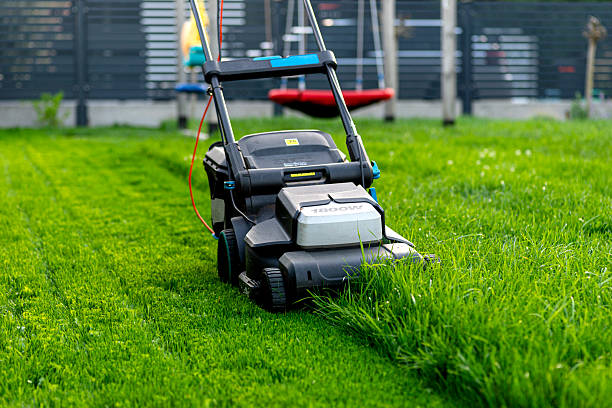
Maintaining a healthy lawn requires more than following a fixed mowing routine. Grass growth changes throughout the year depending on temperature, sunlight, rainfall and soil conditions. As these factors change, the frequency and approach to lawn mowing may also need to be adjusted. A schedule that works during active growing periods may not be suitable during colder or drier weather.
Seasonal lawn mowing helps homeowners respond to these changing conditions while keeping their yards manageable and presentable. Regular mowing at appropriate intervals can support suitable grass height, prevent excessive growth and contribute to consistent lawn maintenance. Choosing a recurring schedule that accounts for seasonal requirements can also make ongoing yard care easier to organise.
Homeowners looking for lawn mowing Frisco TX can explore available residential lawn mowing options and review recurring service arrangements that suit their property.
Grass does not grow at the same rate throughout the year. Its growth depends on environmental conditions, including temperature, moisture and available sunlight. Understanding these changes helps homeowners determine when mowing is necessary and when the lawn may need more time between appointments.
A seasonal approach focuses on the actual condition of the grass rather than relying on the same schedule throughout the year. This allows mowing frequency to reflect changing growth patterns and helps avoid unnecessary cutting.
Temperature plays an important role in grass growth. Many grass varieties grow more actively when temperatures are within their preferred range. During these periods, regular mowing may be necessary to maintain a suitable height. When temperatures become too high or too low, growth can slow depending on the grass variety and local conditions.
Sunlight and rainfall also influence how quickly grass develops. Adequate sunlight supports growth, while suitable moisture helps grass maintain its condition. Limited rainfall can slow growth and place additional stress on the lawn. Understanding these factors can help homeowners decide when to schedule mowing and when adjustments may be necessary.
Following an identical mowing schedule throughout the year may not reflect the lawn's actual requirements. During active growing periods, grass may need more frequent attention. During colder or drier conditions, growth may slow, making longer intervals more appropriate.
A flexible schedule allows homeowners to respond to changes in grass height and condition. Rather than relying only on calendar dates, it is useful to monitor growth and adjust recurring mowing arrangements when needed. This approach supports more practical lawn maintenance throughout the year.
Each season can bring different lawn maintenance requirements. The appropriate mowing frequency depends on grass type, local weather and the condition of the yard. Homeowners should consider these factors when planning recurring residential lawn mowing.
Spring often brings more favourable growing conditions for many grass varieties. As temperatures become suitable and daylight increases, grass may begin growing more actively. This can make regular mowing important for maintaining an appropriate height and keeping the yard manageable.
However, homeowners should avoid removing too much grass during a single mowing session. Cutting gradually according to the lawn's growth can help prevent unnecessary stress. Monitoring grass height and adjusting appointment frequency can support a consistent spring maintenance routine.
Summer conditions can affect lawn growth in different ways. Warm temperatures may support active growth when moisture is sufficient, while prolonged heat and limited rainfall can cause grass to slow down or become stressed. Mowing frequency should therefore reflect the condition of the lawn rather than follow an automatic schedule.
During hot and dry periods, cutting grass too short can place additional stress on the lawn. Maintaining an appropriate height and avoiding excessive cutting are important considerations. Homeowners should also consider soil moisture and local weather before arranging a mowing visit.
As temperatures begin to fall, grass growth may gradually change. Some grass varieties continue growing during mild autumn conditions, while others begin slowing down. Mowing should be adjusted according to the type of grass and its current condition.
Maintaining a suitable height during autumn can help keep the yard manageable as the season changes. Removing excessive grass growth and monitoring fallen leaves can also form part of routine outdoor maintenance. The aim is to maintain the lawn appropriately without cutting it more frequently than necessary.
Many lawns experience slower growth during colder periods, although the extent depends on grass variety and local climate. Some lawns may require very little mowing during this time, while others may continue growing under milder conditions.
Homeowners should check the actual grass height before arranging a mowing appointment. Mowing should also be avoided when the ground is excessively wet or the grass is unsuitable for cutting. Adjusting the schedule according to lawn conditions helps prevent unnecessary maintenance and supports a more considered year-round routine.
Seasonal mowing is not only about keeping grass at a manageable height. It also helps homeowners maintain a routine that responds to changing growth conditions. When mowing frequency is appropriate for the season, it becomes easier to manage the lawn without placing unnecessary pressure on the grass.
Maintaining an appropriate grass height is an important part of lawn care. Grass that becomes excessively long may be harder to manage, while cutting it too short can expose it to additional stress. The suitable height depends on the grass variety and its growing conditions.
Regularly monitoring grass growth helps homeowners determine when mowing is needed. Adjusting the schedule throughout the year can reduce the likelihood of excessive cutting during a single visit and support more consistent maintenance.
Grass that is left unmanaged for extended periods may become uneven or overgrown. Seasonal mowing helps keep growth under control and supports a more uniform appearance across the yard. Regular attention can also make it easier to identify areas that may need additional care.
A consistent mowing routine does not mean cutting grass at the same interval every season. Instead, it involves arranging visits according to growth patterns and environmental conditions. This makes ongoing lawn maintenance more adaptable and manageable.
Seasonal planning encourages homeowners to observe their lawns and identify changes in growth, colour and moisture conditions. These observations can help determine whether the current mowing schedule remains suitable or needs adjustment.
It also supports better coordination with residential lawn care vendors. Sharing relevant information about grass condition and maintenance priorities can help homeowners discuss an appropriate recurring arrangement.
For more guidance on choosing suitable mowing intervals, read how often you should schedule lawn mowing.
Although seasonal changes provide a useful starting point, the right mowing frequency also depends on the characteristics of the lawn. Considering the following factors can help homeowners choose a schedule that reflects their property's requirements.
Different grass varieties have different growth patterns and temperature preferences. Warm-season and cool-season grasses respond differently to changing weather conditions. As a result, their mowing requirements may vary throughout the year.
Homeowners should understand which grass variety is present in their yard before deciding on a recurring schedule. Following suitable grass-height recommendations can help ensure that mowing frequency reflects the lawn's actual growth.
Local weather conditions can influence mowing requirements significantly. Rainfall, sunlight, humidity and temperature all affect grass growth. A period of regular rainfall may encourage faster growth, while extended dry conditions may reduce the need for frequent mowing.
Seasonal changes can also differ between locations. Homeowners should consider local conditions rather than relying entirely on general seasonal guidelines when planning recurring visits.
Soil moisture affects how grass grows and responds to maintenance. Excessively dry conditions can cause stress, while very wet soil can make mowing unsuitable. Cutting grass when the ground is too wet may also affect the lawn's surface.
Checking the condition of the grass and soil before mowing is therefore important. The schedule should allow enough flexibility to account for weather changes and the condition of the yard.
The size and layout of a yard can influence how much mowing is required. Larger lawns may involve more grass coverage, while different sections of a property may experience varying levels of sunlight and moisture.
Homeowners should also consider their preferred lawn appearance and the time available for maintenance. These factors can help determine whether a more frequent or less frequent recurring arrangement is appropriate.
Even with a recurring schedule, certain mowing habits can make lawn maintenance less effective. Understanding common mistakes helps homeowners make better decisions and adjust their routines when conditions change.
Removing too much grass in a single mowing session can place additional stress on the lawn. Grass height plays a role in protecting the plant and supporting its growth. Cutting too short may also leave the lawn more exposed to challenging weather conditions.
It is better to follow suitable cutting-height guidance for the grass variety. Mowing should be adjusted gradually when grass has grown beyond its preferred height.
A fixed mowing routine may not account for seasonal differences in grass growth. More frequent mowing may be needed during active growth, while slower-growing periods may require fewer visits.
Homeowners should review their schedule regularly and make adjustments based on actual lawn conditions. This helps avoid unnecessary mowing and supports a more practical maintenance routine.
Mowing during excessively wet conditions or when grass is under significant stress may not be appropriate. Wet ground can make maintenance difficult, while stressed grass may need time to recover.
Checking weather conditions, soil moisture and grass health before a scheduled visit can help determine whether the timing is suitable.
Mowing is one part of maintaining a residential yard. Other requirements may include lawn fertilising and weed control, depending on grass type, soil condition and seasonal needs. These activities have different purposes and should be planned according to the lawn's requirements.
Homeowners can review relevant recurring services separately rather than assuming that every mowing plan includes additional lawn care tasks. The vendor's service description should clearly explain what is covered.
Creating a recurring mowing schedule starts with understanding how the lawn changes throughout the year. Homeowners should consider grass type, growth rate, yard size, local weather and the level of maintenance they can manage themselves. These details provide a useful basis for deciding how frequently professional mowing may be required.
The next step is to review available vendor services and compare their scheduling options. Check the service description, appointment frequency, pricing and any conditions associated with the recurring arrangement. Confirm whether seasonal adjustments are available and discuss any specific requirements before booking. Not all vendors offer identical services or scheduling terms, so reviewing these details is important.
EZeels is an online marketplace where homeowners can explore residential services offered by independent vendors and book directly through the platform. Its available service categories include lawn mowing, lawn fertilising and weed control, house cleaning, swimming pool maintenance, carpet cleaning and HVAC services. Homeowners can review available options and select vendors based on their requirements.
For additional information about recurring lawn care, explore lawn mowing in McKinney, TX.
The frequency depends on grass type, weather, moisture and growth rate. During active growing periods, lawns may need more frequent mowing. Homeowners should monitor grass height and follow suitable recommendations for their particular variety.
Yes. Summer mowing frequency should reflect temperature, rainfall and lawn condition. Grass may grow actively when moisture is sufficient, but high heat and dry conditions can slow growth. Avoid cutting grass too short when it is under stress.
Some lawns may need occasional mowing during mild winter conditions, while others experience very little growth. Check the grass height and ground conditions before arranging a visit. The need for mowing depends on the grass variety and local climate.
Yes. Different grass varieties have different growth rates and seasonal preferences. Understanding the type of grass in your yard helps determine suitable mowing intervals and cutting heights.
Recurring lawn mowing can support consistent grass-height management and help prevent excessive growth. The schedule should be adjusted according to seasonal conditions, grass type and lawn requirements. Other maintenance needs may also need separate attention.
Seasonal lawn mowing helps homeowners maintain a practical routine that responds to changing grass growth and weather conditions. Spring and favourable growing periods may require more frequent attention, while hot, dry or colder conditions can call for adjustments. Monitoring grass height, soil moisture and overall lawn condition helps determine when mowing is appropriate. You can also browse available residential service options through EZeels.
A suitable recurring schedule should also consider grass variety, yard size, local climate and household maintenance preferences. Before choosing a vendor, review the available service details, appointment frequency and scheduling terms. By combining seasonal planning with consistent maintenance, homeowners can keep their residential yards manageable throughout the year.

 Login/Signup
